APPN schema
Class: Actuator
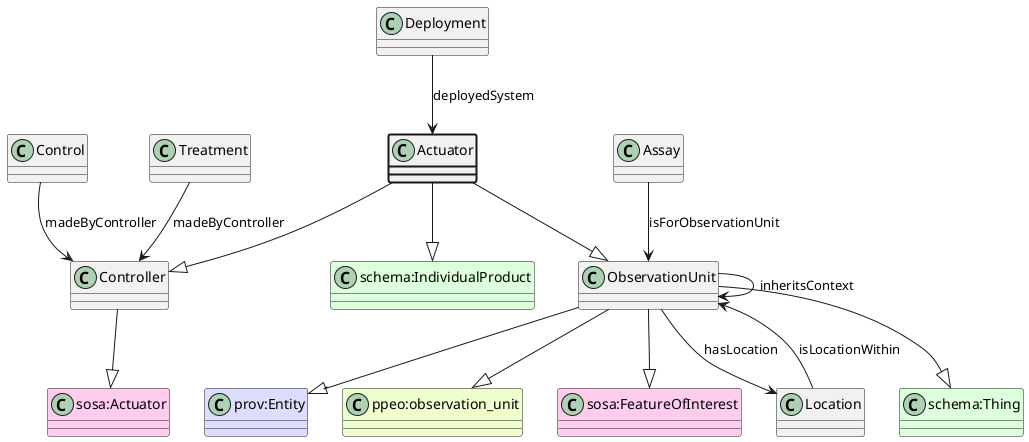
Actuator: An electromechanical device that can control the value for a ControlledVariable and that may be mounted on a Platform. Note that SOSA maps electromechanical components to prov:Agent, but CDIF recommendation is that Agent should be an intentional role. An Actuator is also an ObservationUnit so that it may be the target for Control Assays (setting device parameters as ControlledVariables) and potentially for Observation Assays (reading device state as ObservedVariables).
Superclasses
Properties
Identifies a Sensor or Actuator deployed on a Platform.
Class: Assay
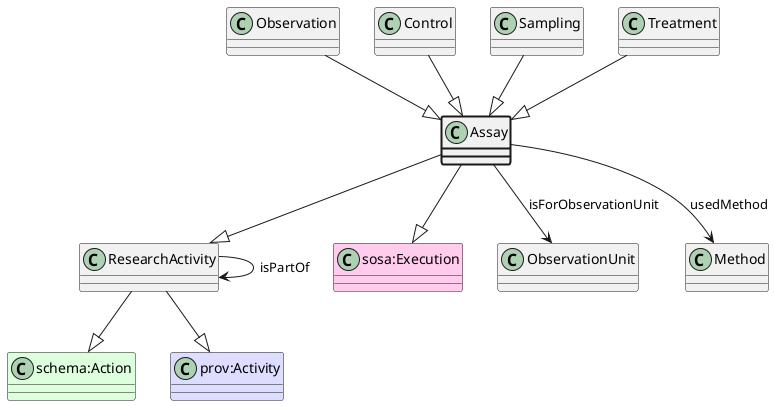
Assay: A research action that observes or modifies a set of ObservationUnits.
Superclasses
Properties
Relates an Assay to an ObservationUnit for which it is carried out. Note that when the Assay is an Observation, the model should infer a schema:observationAbout property from isForObservationUnit.
Identifies a Method used to conduct an Assay.
Subclasses
Class: BiologicalMaterial
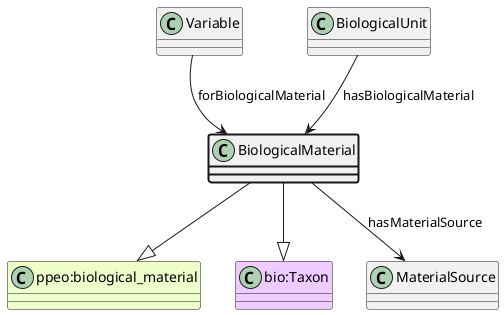
BiologicalMaterial: A taxonomic and/or genetic profile for one or more BiologicalUnits. Where possible, this should include the material source for the BiologicalMaterial.
Superclasses
Properties
Variable forBiologicalMaterial BiologicalMaterial
Links a Variable to the BiologicalMaterial (i.e. crop) to which it relates.
Identifies the BiologicalMaterial for a BiologicalUnit.
Identifies the MaterialSource for BiologicalMaterial.
Class: BiologicalUnit
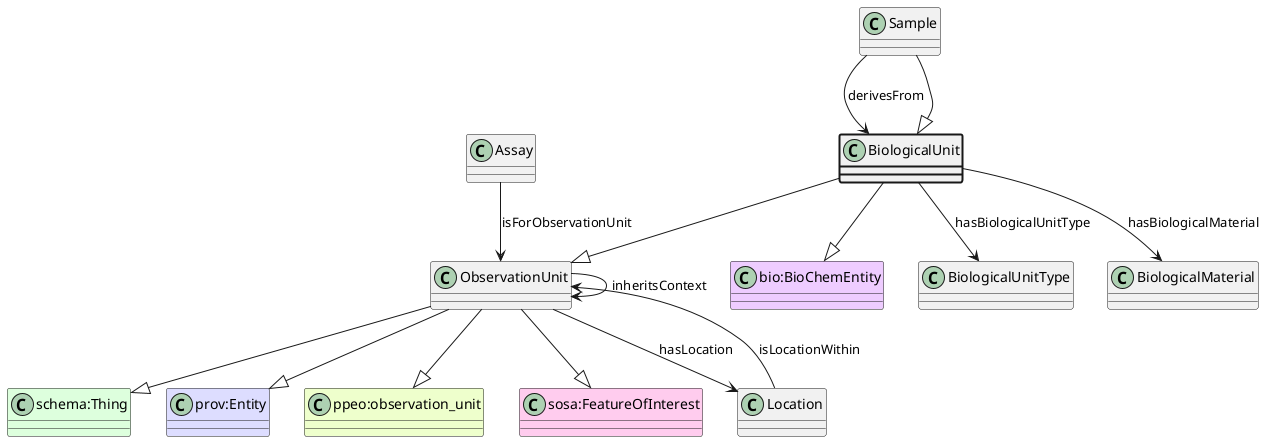
BiologicalUnit: A plant or set of plants sharing the same BiologicalMaterial (e.g. a plot or crop in a field) or any Sample of a plant (e.g. an individual organ or leaf clipping) or set of plants (e.g. a cut from a plot) that is treated as an ObservationUnit for collecting or reporting data. BiologicalUnits may be part of larger BiologicalUnits. For example a plant (BiologicalUnit) may be part of a cohort (BiologicalUnit) sharing the same BiologicalMaterial and Treatments. Where relevant, the position of a BiologicalUnit within a larger BiologicalUnit or within a GrowthFacility can be specified using a Location.
Superclasses
Properties
Links a BiologicalUnit to its type.
Sample derivesFrom BiologicalUnit
Identifies the BiologicalUnit from which a Sample was sampled.
Identifies the BiologicalMaterial for a BiologicalUnit.
Subclasses
Class: BiologicalUnitType
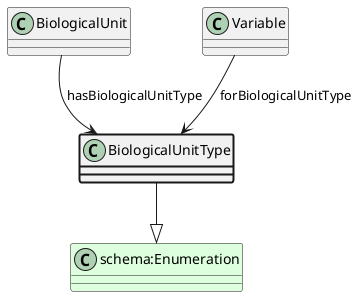
BiologicalUnitType: A term from an enumeration of types of BiologicalUnit.
Superclasses
Properties
Links a BiologicalUnit to its type.
Variable forBiologicalUnitType BiologicalUnitType
Links a Variable to the BiologicalUnitType to which it relates.
Class: Control
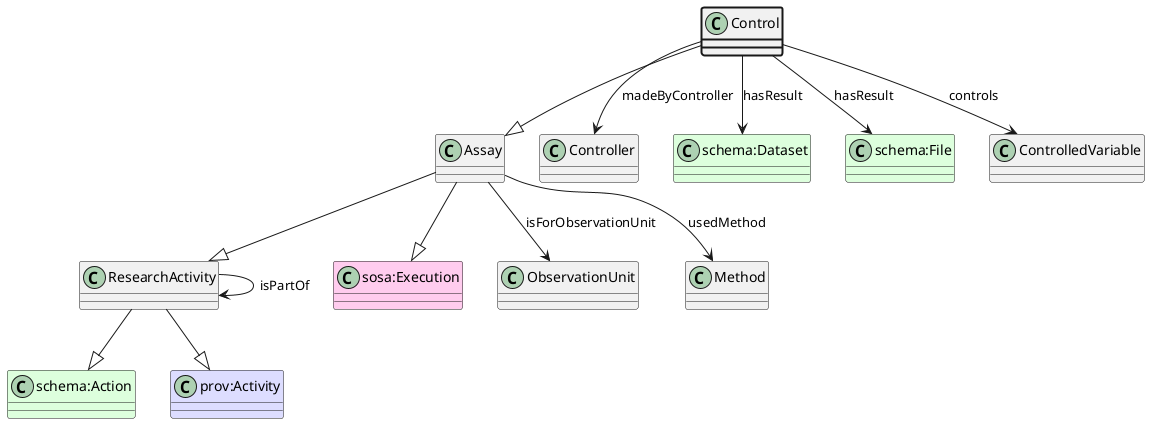
Control: An Assay that modifies a property of an ObservationUnit.
Superclasses
Properties
Identifies the entity (Controller, i.e. one of a Person, Actuator, SoftwareApplication or ExternalEvent) responsible for carrying out a Control or Treatment.
Identifies a data output from an Observation or Control assay. Individual values are represented by sosa:hasSimpleResult.
Identifies a data output from an Observation or Control assay. Individual values are represented by sosa:hasSimpleResult.
Identifies a ControlledVariable controlled by a Control assay. The Control adjusts the state of the ControlledVariable to the value specified in any hasResult or hasSimpleResult property.
Class: ControlledVariable
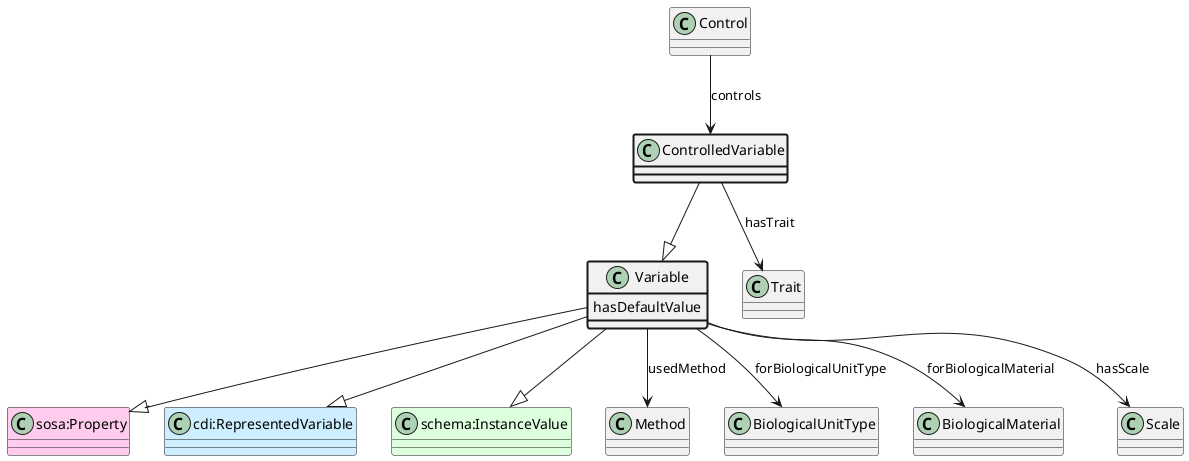
ControlledVariable: A Variable (representation of a Trait using a defined Scale) controlled or modified for an ObservationUnit.
Superclasses
Properties
Control controls ControlledVariable
Identifies a ControlledVariable controlled by a Control assay. The Control adjusts the state of the ControlledVariable to the value specified in any hasResult or hasSimpleResult property.
ControlledVariable
hasTrait Trait Identifies the Trait associated with a Variable.
Class: Controller
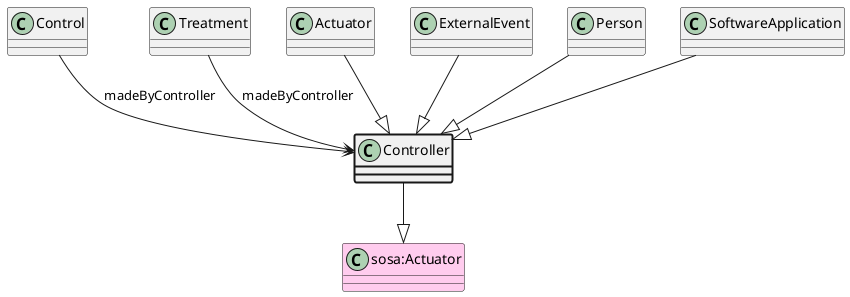
Controller: The entity responsible for performing an Control action and delivering a value for a ControlledVariable. The Controller may be a Person, an Actuator, a SoftwareApplication or an ExternalEvent. Note that SOSA maps sosa:Actuator to prov:Agent, but CDIF recommendation is that Agent should be an intentional role.
Superclasses
Properties
Control madeByController Controller
Identifies the entity (Controller, i.e. one of a Person, Actuator, SoftwareApplication or ExternalEvent) responsible for carrying out a Control or Treatment.
Identifies the entity (Controller, i.e. one of a Person, Actuator, SoftwareApplication or ExternalEvent) responsible for carrying out a Control or Treatment.
Subclasses
Class: Deployment
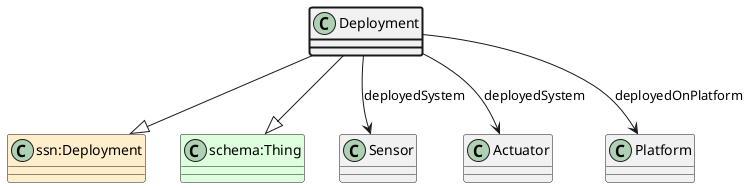
Deployment: A transient or long-term association between a Sensor or Actuator and a Platform on which it is mounted.
Superclasses
Properties
Deployment
deployedSystem Sensor Identifies a Sensor or Actuator deployed on a Platform.
Identifies a Sensor or Actuator deployed on a Platform.
Identifies a Platform on which Sensors or Actuators are deployed.
Class: ExternalEvent
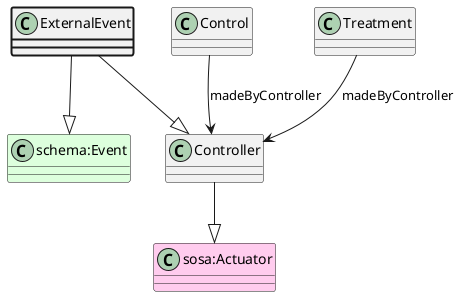
ExternalEvent: A default entity to represent any trigger outside the control of the experimenters that may affect the state of the experiment and alter a Variable of interest, e.g. severe weather events or equipment failures. Where possible, the resulting state of the experiment should be quantified and the ExternalEvent modeled as the Controller for a Control event. Where quantification is impossible, the ExternalEvent should be modeled as the Controller for a Treatment event.
Superclasses
Class: GrowthFacility
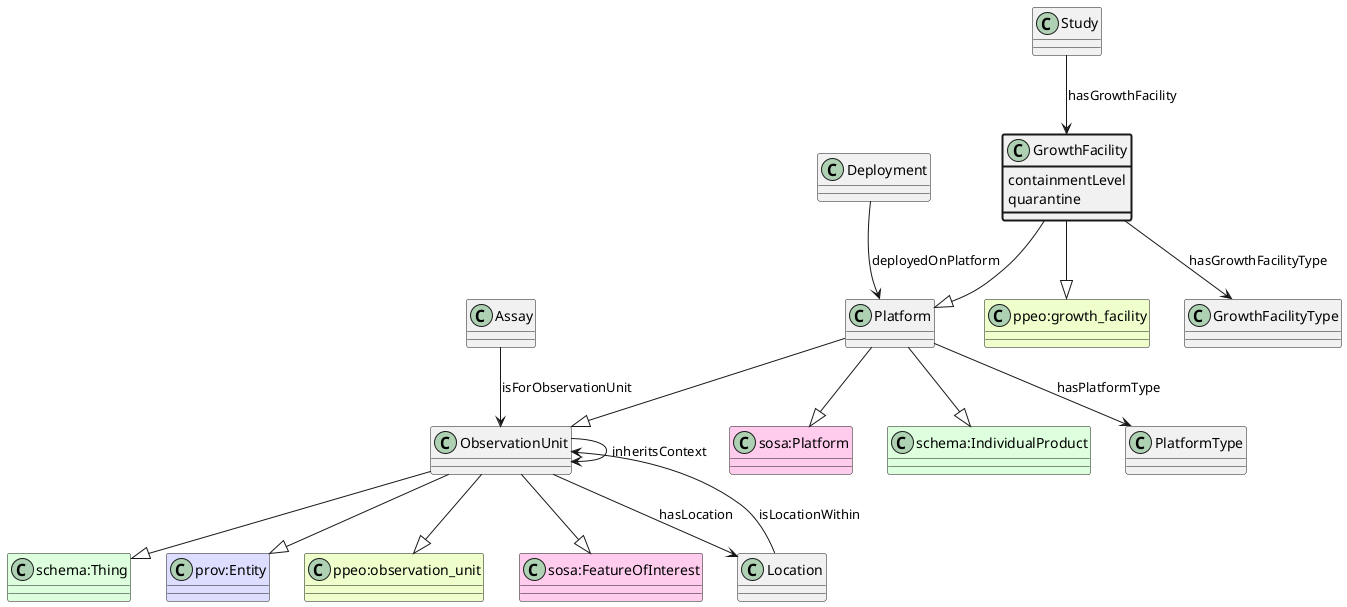
GrowthFacility: A building, enclosed space, field unit, container or other entity in which plants are grown. GrowthFacilities may be nested inside other GrowthFacilities, e.g. rhizoboxes inside a growth chamber, to any depth. GrowthFacilities include all non-biological ObservationUnits and may be defined for each spatial context at which environmental observations are collected or management actions (Treatments) are performed for one or more BiologicalUnits. Where relevant, the position of a GrowthFacility within a larger GrowthFacility can be specified using a Location. GrowthFacilities may be Platforms for Sensors and Actuators.
Superclasses
Properties
Links a GrowthFacility to its type.
GrowthFacility containmentLevel
Provides the containment level for a GrowthFacility.
GrowthFacility quarantine
Indicates if a GrowthFacility is for quarantine.
Study hasGrowthFacility GrowthFacility
Identifies a GrowthFacility used in a Study.
Class: GrowthFacilityType
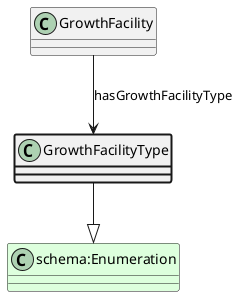
GrowthFacilityType: A term from an enumeration of types of GrowthFacility.
Superclasses
Properties
Links a GrowthFacility to its type.
Class: Investigation
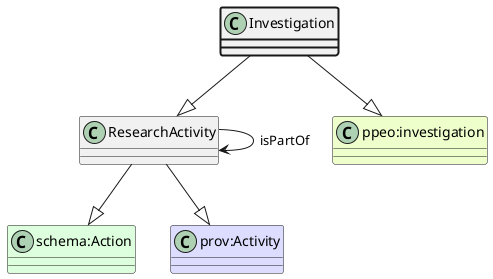
Investigation: A research programme including one or more Studies.
Superclasses
Class: Location
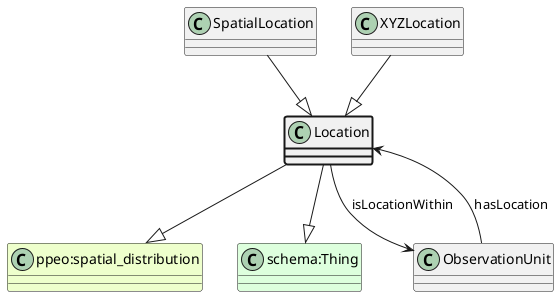
Location: A position associated with the placement of a GrowthFacility within another GrowthFacility or of a BiologicalUnit within another BiologicalUnit or GrowthFacility. Position may be expressed as absolute geospatial coordinates (SpatialLocation) or using a locally appropriate organisation into rows and columns and optionally levels (XYZLocation).
Superclasses
Properties
Specifies the location for an ObservationUnit.
Specifies that a location is a position within an ObservationUnit.
Subclasses
Class: MaterialSource
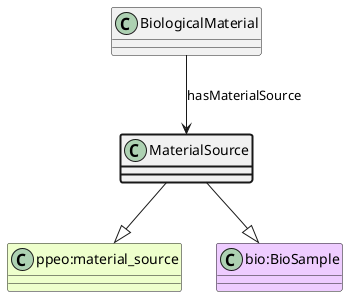
MaterialSource: The source for the BiologicalMaterial.
Superclasses
Properties
Identifies the MaterialSource for BiologicalMaterial.
Class: Method
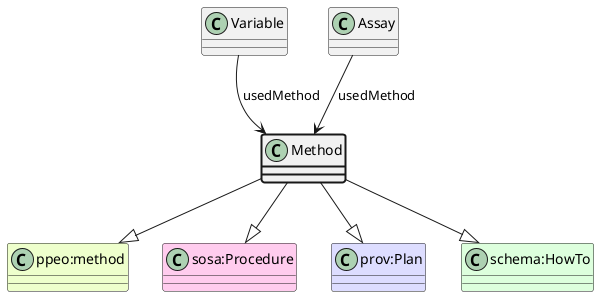
Method: A method or process for performing an Assay.
Superclasses
Properties
Identifies a Method used to conduct an Assay.
Identifies a Method used to conduct an Assay.
Class: Observation
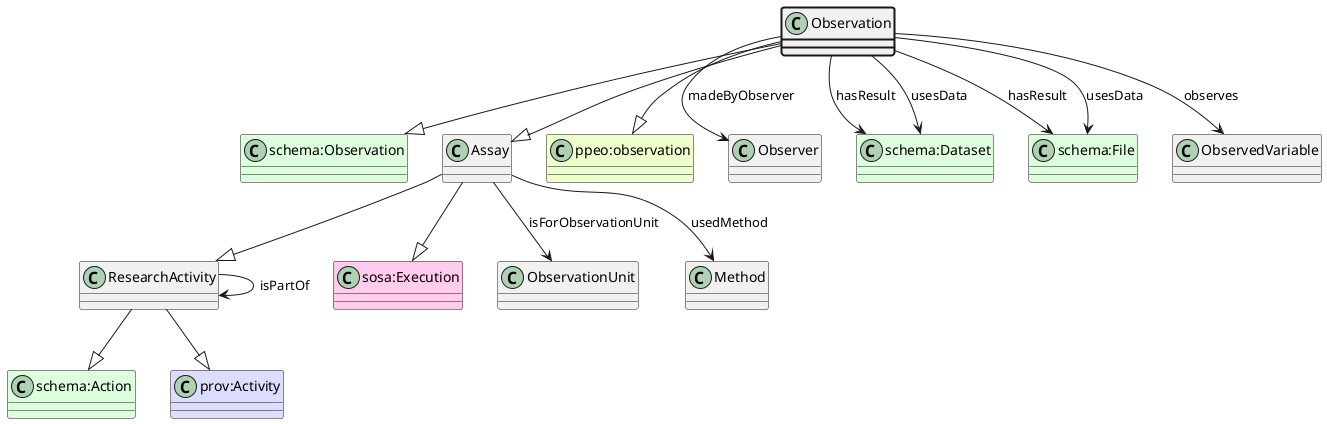
Observation: An Assay that observes or measures properties of an ObservationUnit returning results as property values or images.
Superclasses
Properties
Identifies the entity (Observer, i.e. one of a Person, Sensor or SoftwareApplication) responsible for carrying out an Observation.
Identifies a data output from an Observation or Control assay. Individual values are represented by sosa:hasSimpleResult.
Identifies a data output from an Observation or Control assay. Individual values are represented by sosa:hasSimpleResult.
Identifies a data input to an Observation assay. This is intended for use in relation to Observations delivered using a SoftwareApplication.
Identifies a data input to an Observation assay. This is intended for use in relation to Observations delivered using a SoftwareApplication.
Identifies an ObservedVariable controlled by an Observation assay. The Observation records or estimates the state of the ObservationVariable recorded as a value specified in a hasResult or hasSimpleResult property.
Class: ObservationUnit
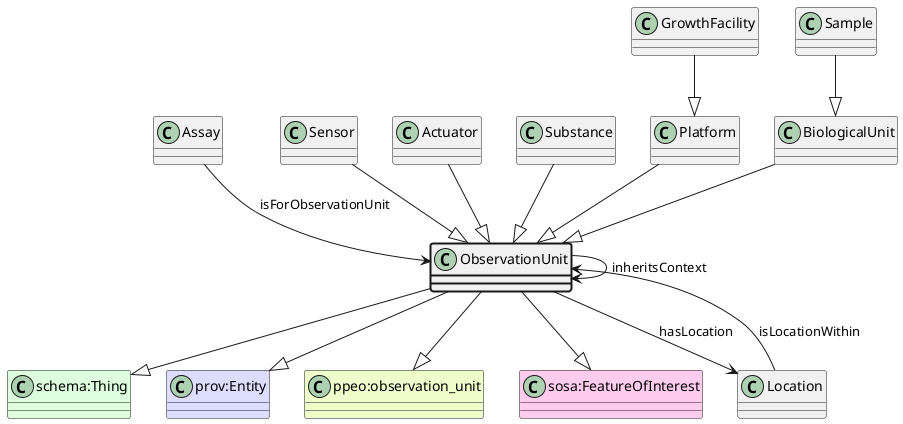
ObservationUnit: An entity for which a Study collects data or controls the environment and other parameters. ObservationUnits may be BiologicalUnits, Substances, Platforms (including GrowthFacilities) or devices (Sensors and Actuators).
Superclasses
Properties
Assay isForObservationUnit ObservationUnit
Relates an Assay to an ObservationUnit for which it is carried out. Note that when the Assay is an Observation, the model should infer a schema:observationAbout property from isForObservationUnit.
Indicates an ObservationUnit should be considered to inherit values for Variables from another ObservationUnit. Examples include a plant inheriting environmental variables from a pot, growth cabinet or field or a leaf inheriting environmental and developmental properties from a plant.
Specifies the location for an ObservationUnit.
Location isLocationWithin ObservationUnit
Specifies that a location is a position within an ObservationUnit.
Subclasses
Class: ObservedVariable
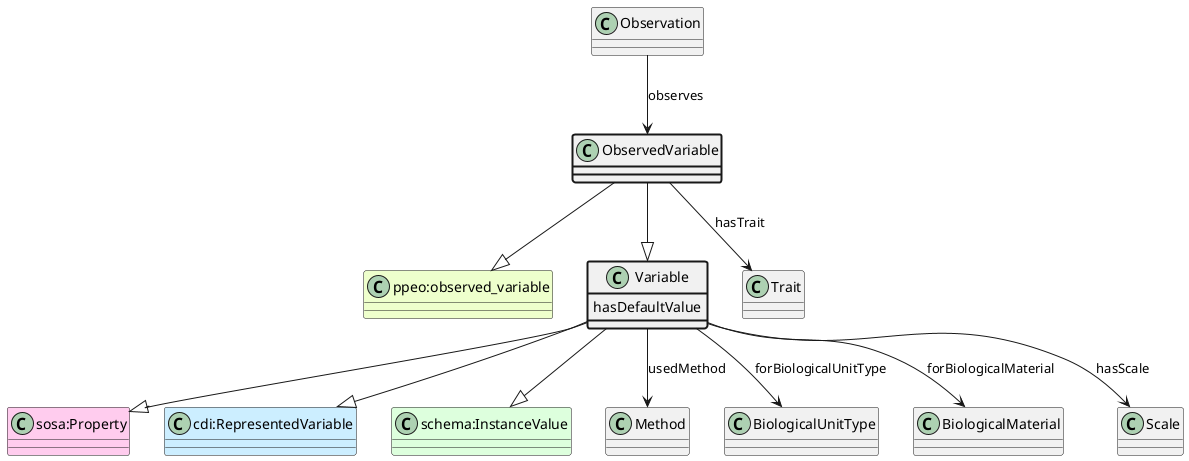
ObservedVariable: A Variable (representation of a Trait using a defined Scale) observed or measured for an ObservationUnit.
Superclasses
Properties
Identifies an ObservedVariable controlled by an Observation assay. The Observation records or estimates the state of the ObservationVariable recorded as a value specified in a hasResult or hasSimpleResult property.
ObservedVariable
hasTrait Trait Identifies the Trait associated with a Variable.
Class: Observer
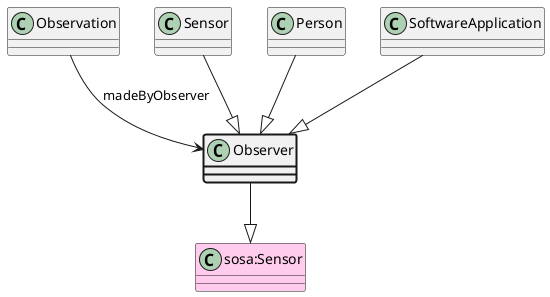
Observer: The entity responsible for performing an Observation and delivering a value for an ObservedVariable. The Observer may be a Person, a Sensor or a SoftwareApplication. Note that SOSA maps sosa:Sensor to prov:Agent, but CDIF recommendation is that Agent should be an intentional role.
Superclasses
Properties
Identifies the entity (Observer, i.e. one of a Person, Sensor or SoftwareApplication) responsible for carrying out an Observation.
Subclasses
Class: Person
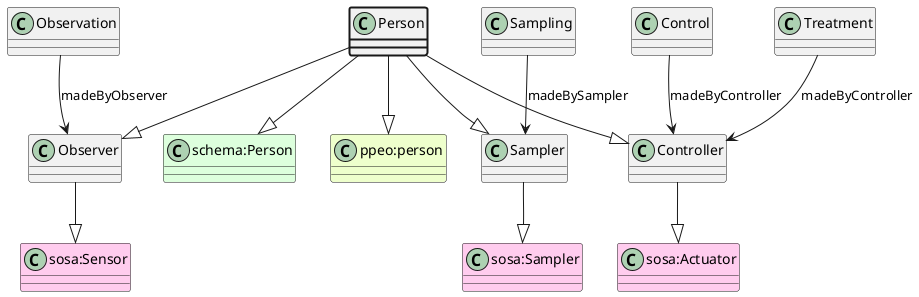
Person: A Person, preferably identified using an ORCID, that may perform an Assay.
Superclasses
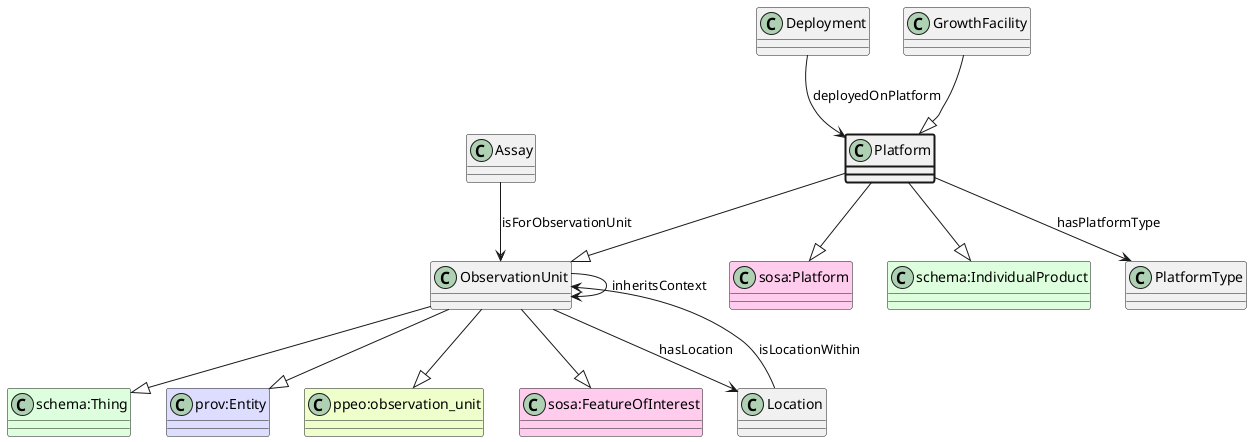
Platform: A vehicle, building, person or other entity that may carry or include Sensors or Actuators. A Platform is also an ObservationUnit so that it may be the target for Observation Assays (reading device state as ObservedVariables) and potentially for Control Assays (setting parameters as ControlledVariables).
Superclasses
Properties
Links a Platform to its type.
Identifies a Platform on which Sensors or Actuators are deployed.
Subclasses
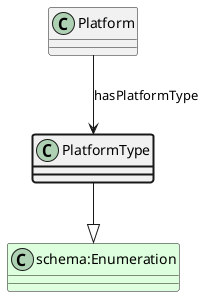
PlatformType: A term from an enumeration of types of Platform.
Superclasses
Properties
Links a Platform to its type.
Class: ResearchActivity
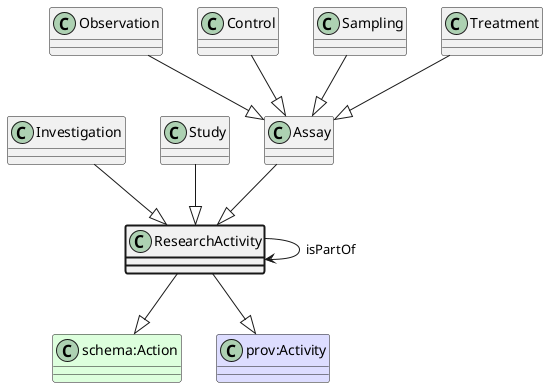
ResearchActivity: A time-delimited activity contributing to a research goal.
Superclasses
Properties
Relates an Assay to the Study that includes it or a Study to an Investigation.
Subclasses
Class: Sample
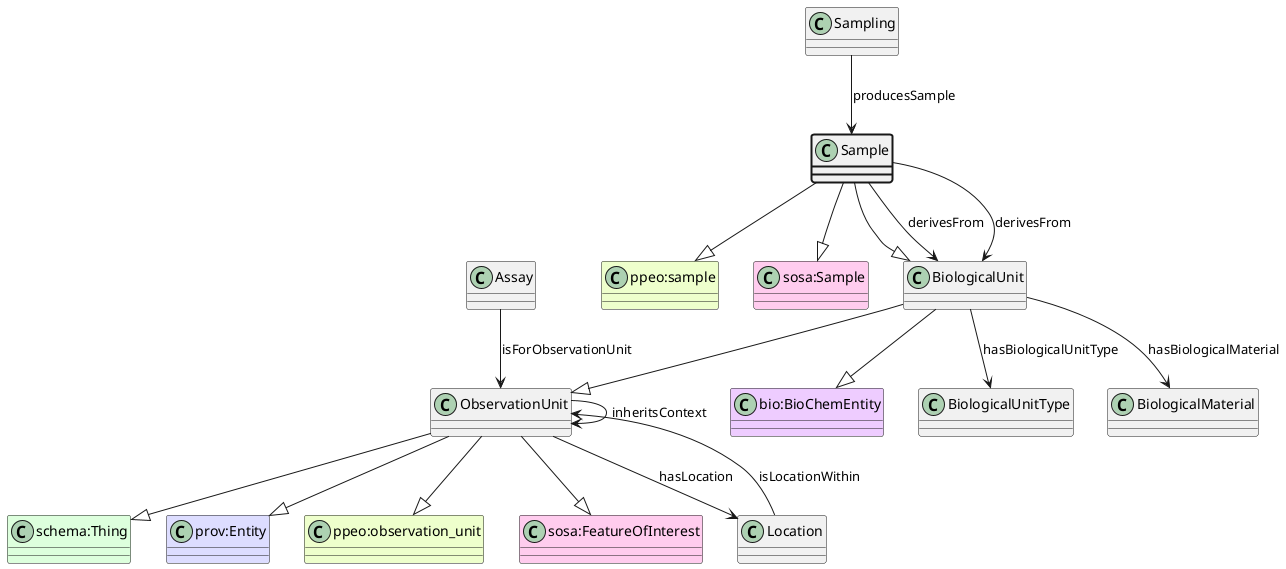
Sample: A BiologicalUnit that has been created from an existing BiologicalUnit through a Sampling assay.
Superclasses
Properties
Identifies the Sample produced by a Sampling assay.
Identifies the BiologicalUnit from which a Sample was sampled.
Class: Sampler
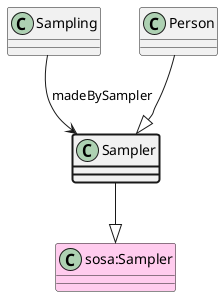
Sampler: The entity responsible for performing a Sampling and delivering a Sample. The Observer will normally be a Person, although in some contexts some kind of device could be involved. Note that SOSA maps sosa:Sampler to prov:Agent, but CDIF recommendation is that Agent should be an intentional role.
Superclasses
Properties
Identifies the entity (Sampler, i.e. a Person - no other subclasses defined yet) responsible for carrying out an Sampling.
Subclasses
Class: Sampling
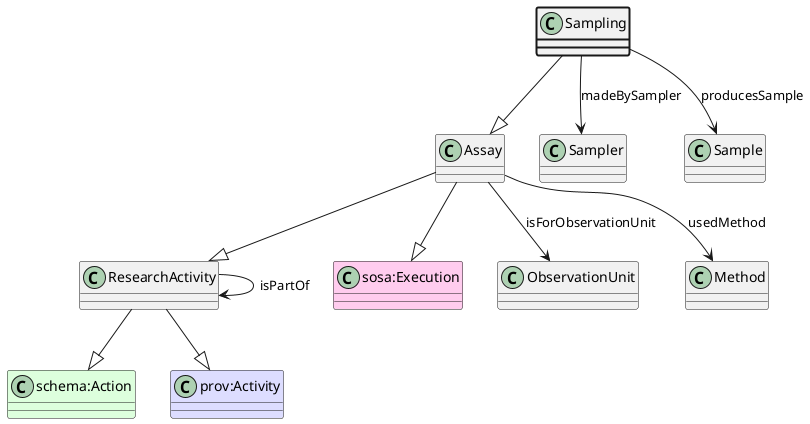
Sampling: An Assay that derives a new representative ObservationUnit from an existing ObservationUnit.
Superclasses
Properties
Identifies the entity (Sampler, i.e. a Person - no other subclasses defined yet) responsible for carrying out an Sampling.
Sampling
producesSample Sample Identifies the Sample produced by a Sampling assay.
Class: Scale
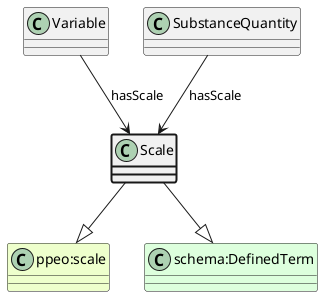
Scale: A system of units or representation format for values associated with a Variable.
Superclasses
Properties
Identifies the Scale associated with a Variable.
Identifies the Scale associated with a Variable.
Class: Sensor
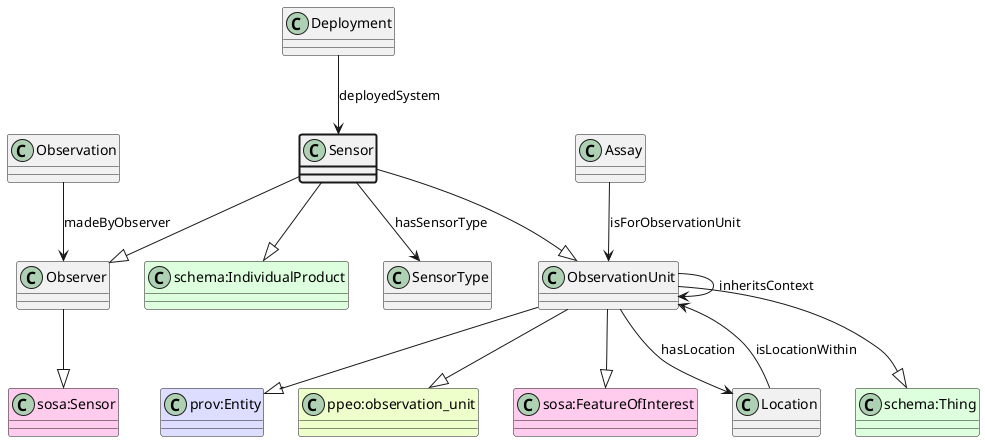
Sensor: An electromechanical device that can return the value for an ObservedVariable and that may be mounted on a Platform. Note that SOSA maps electromechanical components to prov:Agent, but CDIF recommendation is that Agent should be an intentional role. A Sensor is also an ObservationUnit so that it may be the target for Control Assays (setting device parameters as ControlledVariables) and potentially for Observation Assays (reading device state as ObservedVariables).
Superclasses
Properties
Links a Sensor to its type.
Identifies a Sensor or Actuator deployed on a Platform.
Class: SensorType
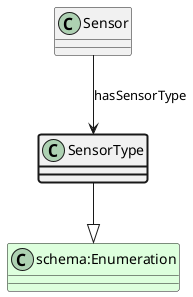
SensorType: A term from an enumeration of types of Sensor.
Superclasses
Properties
Sensor hasSensorType SensorType
Links a Sensor to its type.
Class: SoftwareApplication
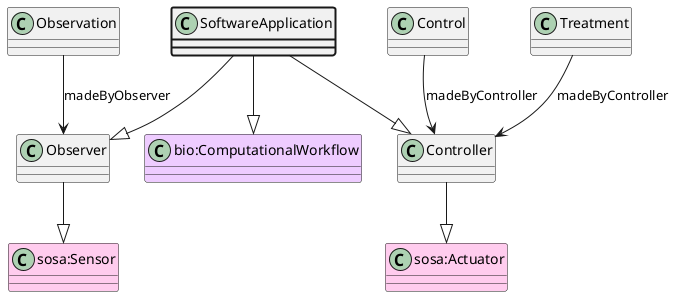
SoftwareApplication: A piece of software that may be perform an Assay. Note that SOSA maps software components to prov:Agent, but CDIF recommendation is that Agent should be an intentional role.
Superclasses
Class: SpatialLocation
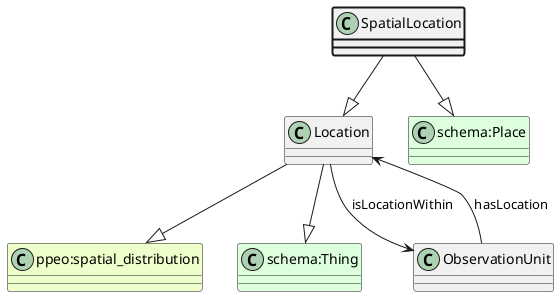
SpatialLocation: A location defined with geospatial coordinates. The definition of the location should include a schema:geo property with coordinates or a shape.
Superclasses
Class: Study
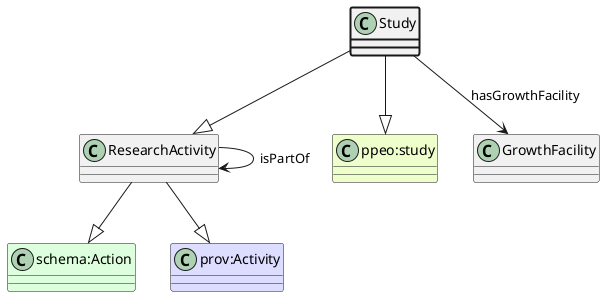
Study: A research activity including one or more Assays that record data on a set of ObservationUnits.
Superclasses
Properties
Identifies a GrowthFacility used in a Study.
Class: Substance
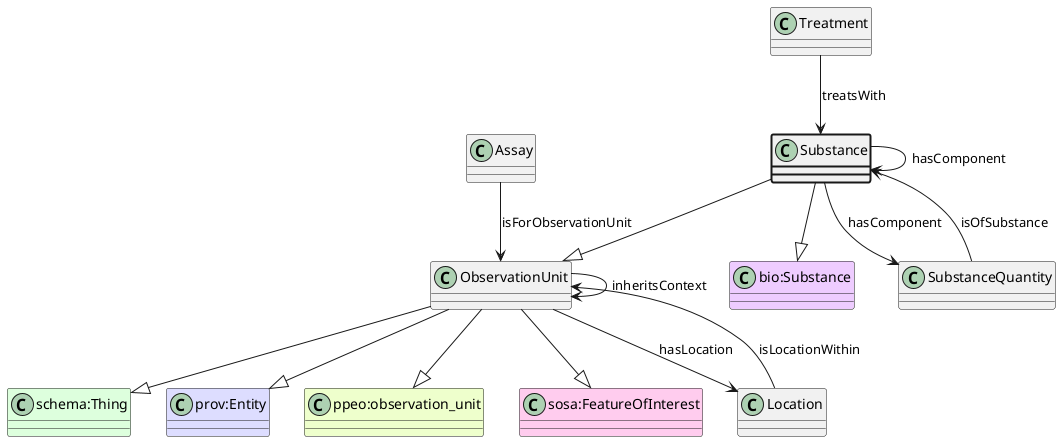
Substance: A biological or chemical entity used in a Treatment assay or referenced in a SubstanceQuantity.
Superclasses
Properties
Identifies a Substance or a SubstanceQuantity associated with a Treatment assay. The Treatment makes an input of a quantity of some Substance associated with the SubstanceQuantity. If the result is a known final state for a variable associated with an ObservationUnit, the assay should be modeled as a Control with a ControlledVariable. Treatments are for cases where no definite resulting value is recorded.
Identifies a Substance or SubstanceQuantity included in the current Substance.
Identifies a Substance or SubstanceQuantity included in the current Substance.
Identifies the Substance associated with a SubstanceQuantity. This represents the biological or chemical substance applied to the ObservationUnit by a Treatment.
Class: SubstanceQuantity
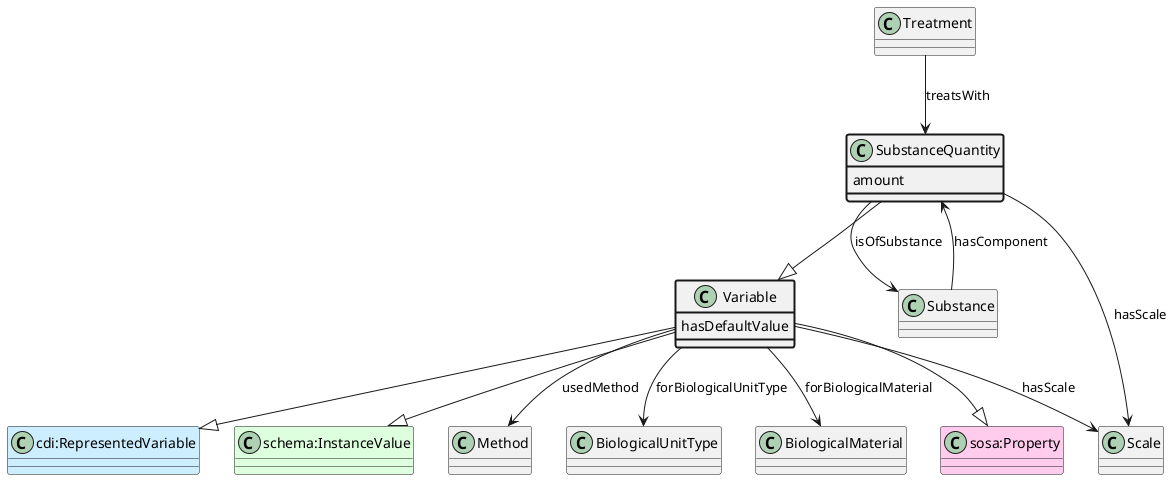
SubstanceQuantity: A Variable (representation of a quantity using a defined Scale) for a Substance applied to an ObservationUnit.
Superclasses
Properties
Identifies a Substance or a SubstanceQuantity associated with a Treatment assay. The Treatment makes an input of a quantity of some Substance associated with the SubstanceQuantity. If the result is a known final state for a variable associated with an ObservationUnit, the assay should be modeled as a Control with a ControlledVariable. Treatments are for cases where no definite resulting value is recorded.
Identifies a Substance or SubstanceQuantity included in the current Substance.
Identifies the Substance associated with a SubstanceQuantity. This represents the biological or chemical substance applied to the ObservationUnit by a Treatment.
SubstanceQuantity amount
Identifies the amount of a Substance associated with a SubstanceQuantity according to the associated Scale.
SubstanceQuantity
hasScale Scale Identifies the Scale associated with a Variable.
Class: Trait
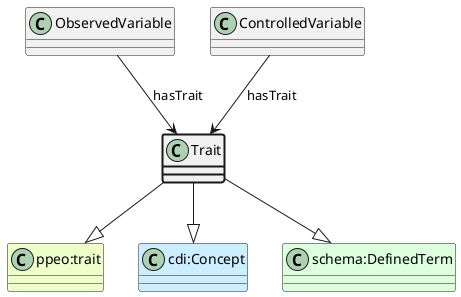
Trait: A concept represented by a Variable associated with an ObservationUnit. In the DDI-CDI Variable Cascade, a Trait is a Concept or ConceptualVariable.
Superclasses
Properties
Identifies the Trait associated with a Variable.
Identifies the Trait associated with a Variable.
Class: Treatment
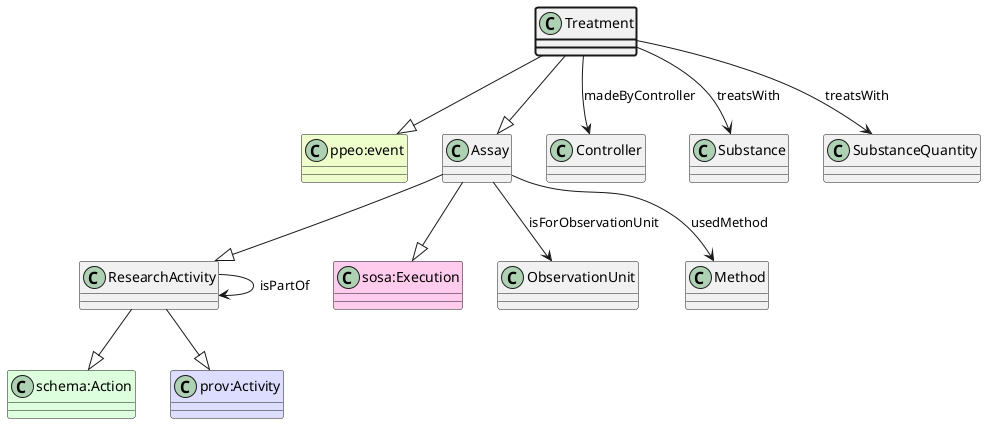
Treatment: An Assay that adds a Substance or a SubstanceQuantity to an ObservationUnit (includes potting, fertigation, pesticide application, addition of beneficials, etc.).
Superclasses
Properties
Identifies the entity (Controller, i.e. one of a Person, Actuator, SoftwareApplication or ExternalEvent) responsible for carrying out a Control or Treatment.
Identifies a Substance or a SubstanceQuantity associated with a Treatment assay. The Treatment makes an input of a quantity of some Substance associated with the SubstanceQuantity. If the result is a known final state for a variable associated with an ObservationUnit, the assay should be modeled as a Control with a ControlledVariable. Treatments are for cases where no definite resulting value is recorded.
Identifies a Substance or a SubstanceQuantity associated with a Treatment assay. The Treatment makes an input of a quantity of some Substance associated with the SubstanceQuantity. If the result is a known final state for a variable associated with an ObservationUnit, the assay should be modeled as a Control with a ControlledVariable. Treatments are for cases where no definite resulting value is recorded.
Class: Variable
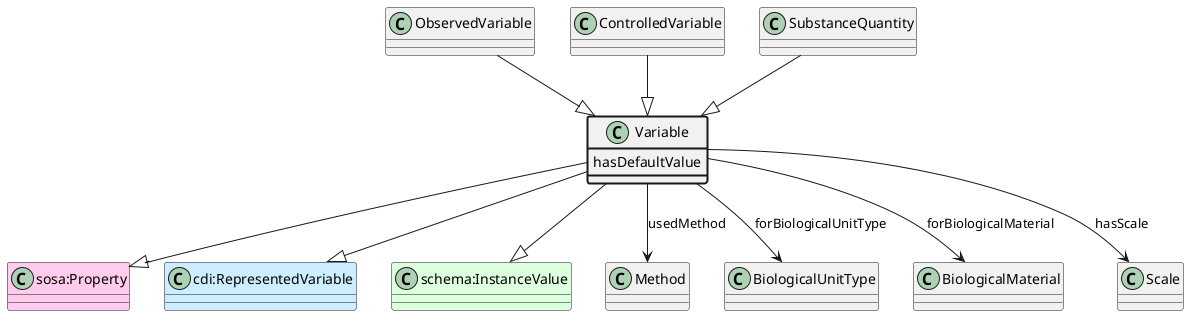
Variable: Representation of a Trait using a defined Scale. In the DDI-CDI Variable Cascade, a Variable is a RepresentedVariable or an InstanceVariable.
Superclasses
Properties
Variable hasDefaultValue
Specifies the default value for a variable.
Identifies a Method used to conduct an Assay.
Links a Variable to the BiologicalUnitType to which it relates.
Links a Variable to the BiologicalMaterial (i.e. crop) to which it relates.
Identifies the Scale associated with a Variable.
Subclasses
Class: XYZLocation
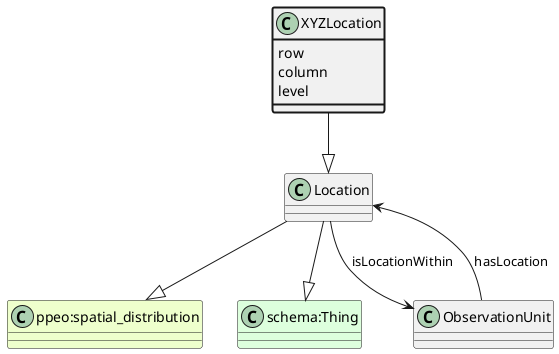
XYZLocation: A location defined using an appropriate local spatial geometry in three dimensions.
Superclasses
Properties
XYZLocation row
Specifies the row for an XYZLocation.
XYZLocation column
Specifies the column for an XYZLocation.
XYZLocation level
Specifies the level for an XYZLocation in a three-dimensional configuration.